
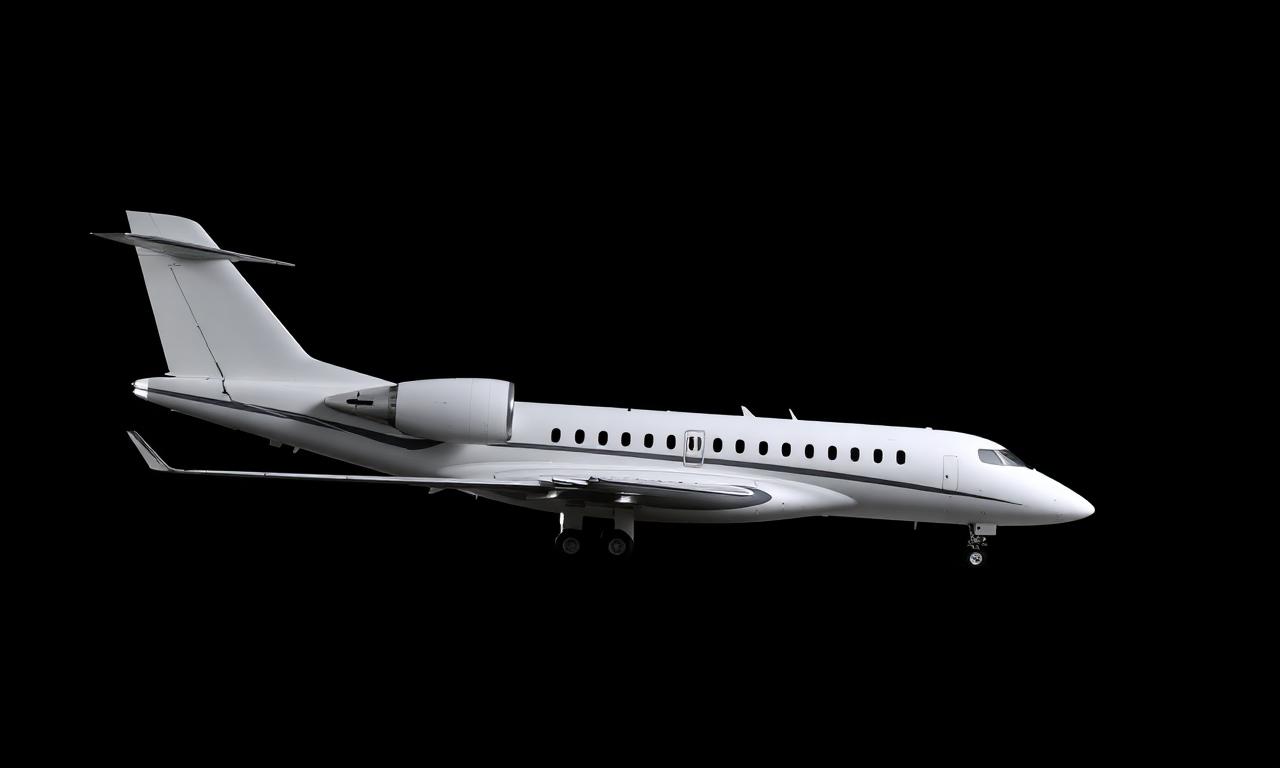
How we vet operators before you ever see a quote
ARGUS and Wyvern ratings are the start of the check, not the end of it. Here is what happens between your brief and your options.
5 minute read
A broker's real product is the list of operators it will not offer you. Anyone can find an aircraft. The work is in deciding which tails never reach your inbox.
The four checks
Certificate and operational control: the operator must hold a current Part 135 certificate, or a foreign equivalent, and must be the party in operational control of your flight.
Third-party audit: ARGUS and Wyvern maintain independent ratings drawn from accident history, maintenance records and pilot experience. We confirm each operator's current ARGUS or Wyvern rating with the operator before we quote the trip.
Insurance: certificates are checked for liability limits appropriate to the aircraft and confirmed as in force for your dates.
Crew currency on type: hours in the seat matter more than total hours. For demanding fields such as Aspen or Saint-Tropez we confirm the specific captain is current for the airport.
What this means in practice
Occasionally the cheapest available tail does not clear. When that happens you do not see it, and we tell you why the number you were expecting is not the number you got.
That conversation is the job. Nobody remembers a good price on a flight that went wrong.
Keep reading
What a private jet actually costs
Hourly rates are the headline. Positioning, taxes, overnights and handling are where the real number lives.
CharterEmpty legs, explained without the marketing
Real discounts, real constraints. When a repositioning flight is the smartest booking on the board and when it is a trap.
MembershipJet card or on-demand: which one you actually need
Fixed rates and guaranteed availability are worth real money — above a certain number of hours a year.